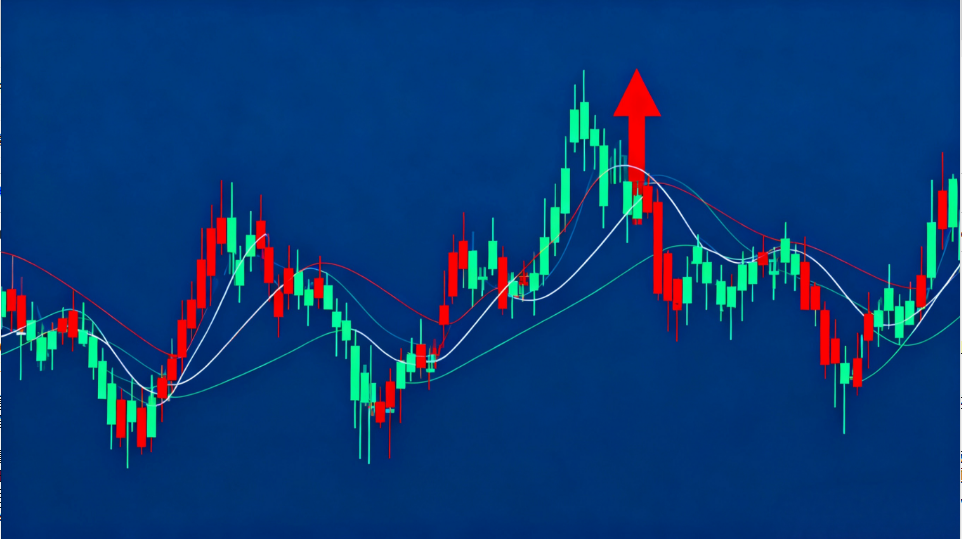







On December 4, the U.S. Dollar Index closed at 98.85, up 0.03% from the previous trading day, fluctuating between 98.78 and 98.91 within the day, continuing its narrow and weak volatility. Since the beginning of December, the index has accumulated a decline of 0.52%, touching a low of 98.76 on the 3rd, just one step away from the 50-day moving average support at 99.04. With expectations of a Fed rate cut nearing their conclusion, combined with mixed U.S. economic data and strength in non-U.S. currencies, the U.S. Dollar Index is at a critical juncture for direction.
Expectations of a Fed rate cut are the core pressure on the dollar. As of December 3, CME FedWatch shows an 87% probability that the market is betting on a 25-basis-point rate cut in December, up 24 percentage points from the previous month. This expectation stems from weak economic data and dovish statements from the Fed—New York Fed President Williams mentioned "room for interest rate adjustments," and San Francisco Fed President Daly emphasized "guarding against worsening employment." After their remarks, rate cut expectations jumped from 40% to 70%.
Policy uncertainties remain: First, the October meeting minutes showed a 4:5 split between supporters and opponents of a rate cut, making Powell’s consensus-building efforts at the December meeting critical. Second, Goldman Sachs warned of the possibility of a "hawkish rate cut," where the Fed might cut rates while signaling "no further easing for now." Additionally, Trump’s plan to nominate the dovish Hassett as Fed Chair weakens long-term confidence in the dollar.
Fragmented U.S. economic data heightens volatility. The November ISM Manufacturing PMI recorded 48.2, below expectations, marking two consecutive months of contraction and boosting rate cut expectations. However, the price index rose to 58.5 during the same period, indicating persistent inflationary pressures. More critically, the U.S. government shutdown may prevent the release of October CPI and other data, forcing the Fed to make decisions with incomplete information, amplifying dollar volatility.
Strength in non-U.S. currencies further pressures the dollar. The euro broke through the 1.16 mark to 1.1629 against the dollar. Although the eurozone’s manufacturing PMI contracted, the revaluation momentum from the dollar’s depreciation is stronger. The pound stabilized around 1.33 against the dollar, with the Bank of England’s rate cut expectations weaker than the Fed’s, maintaining pressure on the dollar. OPEC+’s pause in production increases pushed oil prices back to $65, boosting commodity currencies and diverting demand away from dollar assets.
Short-term focus centers on this week’s "data wave": On December 5, the U.S. September core PCE data (the Fed’s core inflation indicator) will confirm the rationality of a rate cut. On the 6th, ADP employment and ISM non-manufacturing PMI will reflect economic sentiment. On the 10th, the Fed’s decision will provide policy guidance, determining whether the dollar can hold support at 98.8.
Technical and capital flow signals warn of risks. The U.S. Dollar Index is below the 200-day moving average (99.66), facing minimal downside resistance. A break below 98.76 and 98.30 support could trigger programmatic selling, with a potential decline to 97.81. On December 3, dollar futures trading volume surged to 16,434 contracts, while open interest fell to 39,825 contracts, indicating intensified long-short battles and capital flight from the dollar.
Institutions are divided on the dollar’s short-term direction. Bank of America believes rate cut expectations are already priced in, and hawkish signals could drive the index to rebound to 100. Goldman Sachs, however, notes that the dollar is at a 3%-5% premium against G10 currencies, leaving limited room for a rebound. In the medium to long term, the dollar’s direction depends on the relative growth of the U.S. economy: if the U.S. economy stabilizes while Europe and the U.K. lag in recovery, the dollar may regain its safe-haven appeal; otherwise, a synchronized global recovery will start a dollar depreciation cycle.
Investors should focus on two key logics: First, the "policy path" language in the Fed’s decision, not just rate changes. Second, the linkage between U.S. economic data and non-U.S. currencies—if the euro and pound remain strong, any dollar rebound may be short-lived. It is recommended to use 98.8-99.2 as an operational anchor, adjusting strategies dynamically based on PCE data and the Fed’s decision.