





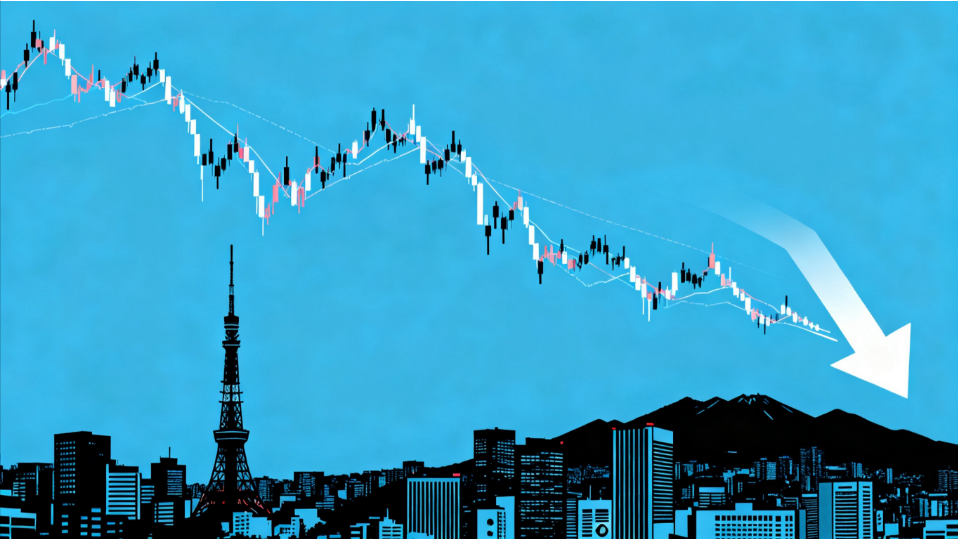
Overnight turmoil in U.S. stocks dragged down Japanese and Korean markets. On November 21, Japanese and Korean stock markets collectively plummeted at opening.
South Korea's KOSPI 200 futures fell 4% at opening, while the KOSPI index dropped over 4%.
Concerns over overvaluation in artificial intelligence-related sectors exacerbated the sharp decline in tech stocks. SK Hynix fell nearly 10% in early trading, and Samsung Electronics dropped over 5%.
Japan's Nikkei 225 index fell over 2.5% initially, hitting a low of 48,559.68 points, down more than 1,200 points from the previous day's close.
SoftBank Group fell over 10% in early trading, leading the decline among Nikkei 225 constituents and marking its largest single-day drop since November 5.
Japanese memory chip giant Kioxia plummeted over 17%.
Additionally, technology and semiconductor-related stocks collectively declined. Tokyo Electron, Screen, Lasertec, Disco, and others saw significant drops.
Recently, renewed discussions about an AI bubble have impacted global market trends. U.S. tech stocks, centered on AI, experienced significant corrections. The overnight U.S. stock market saw a "roller coaster" session, with all three major indices closing lower.
Renowned investor and Wall Street "big short" Michael Burry once again posted on social media, criticizing the AI bubble. He stated, "Each of the companies listed below has questionable revenue recognition issues. If all transactions are included, the chart is almost unrecognizable. In the future, people will view this as fraud, not a flywheel effect. Real end demand is pitifully low, and almost all customers are funded by distributors."
On Thursday (November 20), Ray Dalio, founder of Bridgewater Associates, noted that although AI-related investments are driving the formation of a market bubble, investors do not need to exit immediately. Dalio believes a bubble is forming but requires external factors to burst it. This factor is unlikely to come from tighter monetary policy but could stem from higher wealth taxes.
Dalio stated that bubbles do not burst because of a company's performance, good or bad. Bubbles form when people decide to convert financial wealth (overvalued assets) into cash. After a bubble bursts, it is often followed by market and economic declines, and even significant political changes. Although Dalio does not recommend investors sell immediately due to the bubble, he suggests defensive measures such as holding gold or reducing high-risk credit exposure.
On the macroeconomic front, Japan's November S&P Global Manufacturing PMI was 48.8, the Services PMI was 53.1, and the Composite PMI was 52.0.
In terms of exports, data showed Japan's October exports grew 3.6% year-on-year, compared to a 4.2% increase in September. This growth exceeded the average expected increase of 1.1%. In October, the average exchange rate was 149.51 yen per U.S. dollar, depreciating 2.5% year-on-year. A weaker yen boosts overseas earnings repatriated by Japanese exporters.
However, government data showed exports to the U.S. fell 3.1% year-on-year due to weak exports of automobiles, chip manufacturing equipment, and pharmaceuticals. In contrast, the decline in September was 13.3%, and the October data marked the seventh consecutive month of contraction in exports to the U.S.
Additionally, Japanese government bonds recently faced a selling wave, with yields rising significantly for several consecutive days. According to foreign media reports, as the high city government may announce a closely watched fiscal stimulus plan on Friday, the "sell Japan" trade in the market might just be beginning. Japan's financial markets have recently experienced a "triple whammy" in stocks, bonds, and currency, highlighting the fragility of the "high city trade."