






UBS Securities' trading desk suggests the sell-off in US stocks may be nearing its end, setting the stage for a year-end rally.
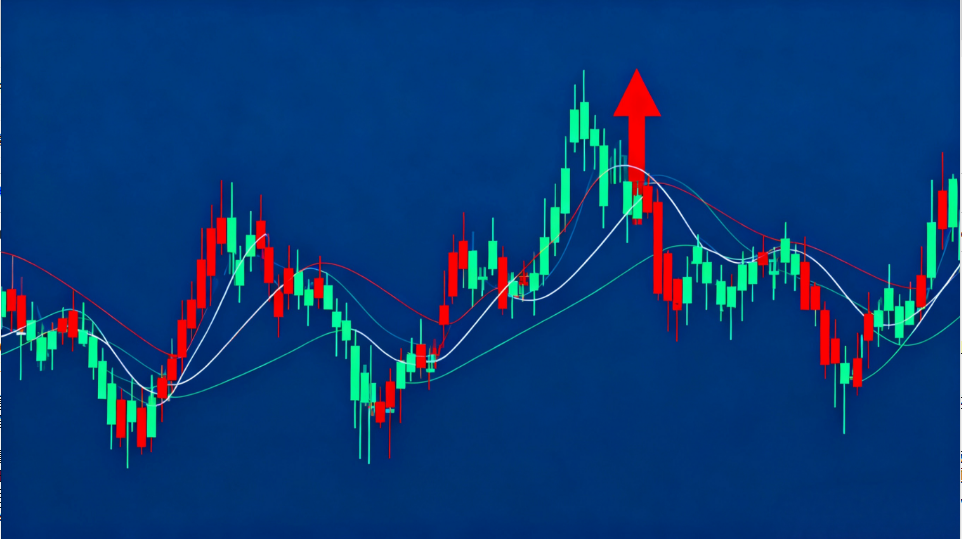
Stocks declined last week as investors grew doubtful about the prospects for further Federal Reserve easing and retreated from crowded artificial intelligence trades. The S&P 500 and Nasdaq 100 indices fell approximately 4% and 7%, respectively, from their late-October record highs, both approaching their 100-day moving averages.
However, UBS believes that with the benchmark indices finding support at this key technical level, selling by systematic funds has largely abated. Furthermore, expectations for a Fed rate cut next month appear back on track, creating room for market strength ahead.
Michael Romano, Head of Hedge Fund Sales for Equity Derivatives at UBS, wrote in a report released last Sunday, "Our view is that the de-risking is done for now."
Market sentiment shifted following comments from New York Fed President John Williams on Friday, who indicated he saw room for potentially another rate cut in the near term, leading traders to once again lean towards expecting a cut next month. A basket of stocks tracked by UBS, expected to perform well when the Fed cuts rates, rose 4.6% on Friday, its largest gain since August.
Additionally, S&P 500 futures climbed on Monday after Fed Governor Christopher Waller expressed support for a rate cut in December. Year-to-date, this US stock benchmark has risen about 12%, closing last week around 6600 points.
Romano expects the S&P 500 to climb towards 7000 by year-end, believing the November liquidation has sufficiently reset positions to allow the rally to resume.
He highlighted the strong earnings from AI leader Nvidia (NVDA.US) and supportive political rhetoric regarding chip exports, including discussions by US President Trump concerning the tech giant's chip deals with China.
Fund flows from systematic funds also appear to have stabilized, with volatility control funds having turned back to buying.
The strategist anticipates that the recent unwinding might lead the market into an unusual December, characterized by strength in momentum stocks. These stocks typically experience rapid and strong price movements, both up and down.
The firm's momentum long-short strategy basket fell 14% in November. He noted that December is historically one of the least favorable months for momentum strategies, but this year might break that pattern.
He wrote, "The December momentum seasonality was pulled forward into November, which could make December a good time to be long momentum."