





On November 26, Hexun Investment Advisor Li Jingfeng pointed out in today's market analysis: Last night's performance of the U.S. stock market was quite interesting, once again showing Google strengthening while Nvidia declined. This leads me to believe that funds are flowing out of Nvidia and into Google. This trend has become very apparent, indicating a shift in market rhythm. Against this backdrop, investors need to consider several questions: Does the current position of U.S. stocks still have potential for further gains? Is there more room for Nvidia to fall?
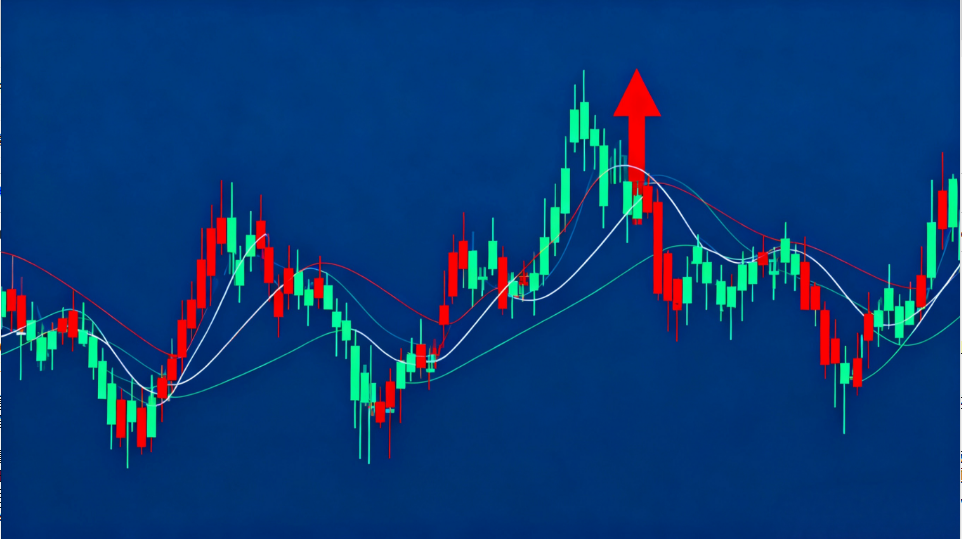
First, let’s look at Nvidia. It has currently reached an important support level. While it cannot be definitively stated that it will surge significantly, I believe Nvidia will at least stabilize at this level. As for Google, its stock price has deviated significantly from the 5-day moving average. What does it mean when a stock price moves away from the moving average? It accumulates a large number of profitable positions, which in turn triggers selling pressure. This is true not only for A-shares but also for U.S. stocks. Whenever a stock price moves away from the moving average, there is an expectation of a pullback, or at least a slowdown in the upward momentum. This time, Google has once again moved away from the 5-day moving average, accumulating substantial profits in a short period. This isn’t to say that Google is unfavorable, but at the current juncture, I believe this trend has become somewhat overheated. An appropriate adjustment at this level might be more conducive to subsequent gains.
For retail investors, it’s best to avoid chasing rallies, especially recently. Whether it’s domestic AI applications or the surge in Google overseas, there’s a sense of urgency to chase the rally, as if failing to quickly sell Nvidia and switch to Google-related targets (such as Zhongfu, etc.) would mean missing out. However, after such short-term overheating, a cooling-off period is inevitable. My advice is to try to wait for Google to pull back. During its rise, investors can take the opportunity to screen domestic related targets and identify which ones are more certain. Use the rally to select stocks and time the market during pullbacks. If Google subsequently approaches the 5-day moving average, even without breaking below it, it would indicate a decline in short-term expectations. Wouldn’t this make it easier to form a positive cycle for another upward move? This is the key to grasping market rhythm: select stocks during rallies, time the market during pullbacks.
Additionally, there is important domestic news: Alibaba disclosed its financial report, with performance exceeding expectations. However, my view is that Alibaba’s financial report may have a diminishing impact on the market. The reason is that Alibaba’s capital expenditures will continue to increase, but domestic AI application expansion still faces bottlenecks, primarily due to insufficient computing power. That said, domestic low-end chips can also contribute to some performance in AI applications, which is a positive signal. However, we should not expect domestic AI-related industries to achieve significant performance growth in the short term, as performance growth takes time. I remain optimistic about the medium- to long-term trends in domestic AI application software and hardware, but short-term expectations should not be too high, as performance is unlikely to catch up quickly.