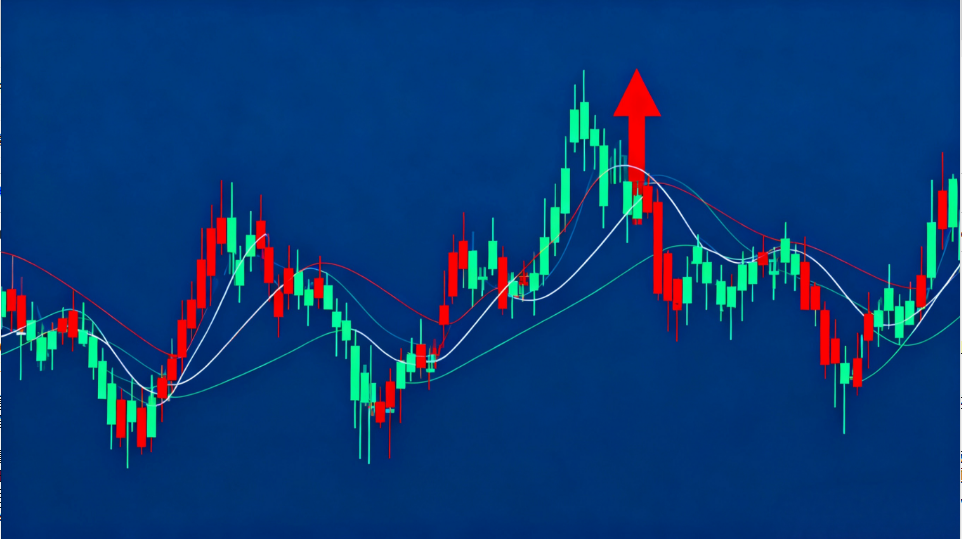







Major Wall Street banks are gearing up for another robust year in the emerging markets sector. They anticipate that a weak US dollar and the investment boom in artificial intelligence will further drive the development of this asset class.
These favorable factors are expected to further boost growth in emerging markets, with local currency-denominated bonds delivering a 7% return to investors—the best performance since 2020—while currency indices have also risen by over 6%. Strategists at Morgan Stanley noted that due to the slowing US economy, the Federal Reserve is likely to cut interest rates further, which could sustain this rally.
The bank advises clients to maintain long positions in local currency-denominated emerging market bonds and predicts that such bonds will yield approximately 8% by mid-2026. For US dollar-denominated emerging market bonds, the bank expects "high single-digit" earnings growth over the next 12 months.
James Lord, Head of Emerging Market Foreign Exchange Strategy at Morgan Stanley, stated, "Interest rate cuts by the Federal Reserve will exert downward pressure on the US dollar. This will help lower US Treasury yields and create a favorable environment for emerging markets."
This outlook also depends on the appreciation of emerging market currencies against the US dollar. An index tracking the returns of carry trades in eight emerging markets (achieved by shorting the US dollar) has risen by over 12% this year, performing particularly strongly against the backdrop of the recent decline in the US dollar. This marks the best performance since the global financial crisis.
Several other banks share this optimistic view, with Bank of America and Goldman Sachs also forecasting a weaker US dollar. Bank of America strategists predict that local bonds in emerging markets will deliver returns exceeding 10% next year and specifically recommend the Turkish lira and the Brazilian real as their top carry trade choices.
Strategists led by David Hauner wrote in a report, "Bank of America's baseline forecast is for a weaker US dollar, lower interest rates, lower oil prices, and moderate gains in stock prices." However, they also warned that current market volatility may be higher than it has been over the past six months. They added, "Historical experience suggests that risk premiums typically do not remain this low for an extended period."
According to JPMorgan Chase & Co., another key supporting factor is the massive capital expenditure plans announced by companies in the artificial intelligence sector. The company predicts that AI-related capital expenditure in the United States will reach $628 billion by 2028. The bank stated that this impact will manifest in emerging markets through technology exports and rising metal prices.
A team of JPMorgan strategists led by Luis Oganes expressed continued optimism about emerging market currencies and local bond markets, forecasting that emerging market bond funds will see inflows of $40 billion to $50 billion next year. They stated in a report, "We expect a combination of improved market sentiment and the structurally low ownership of emerging market assets to drive these inflows."